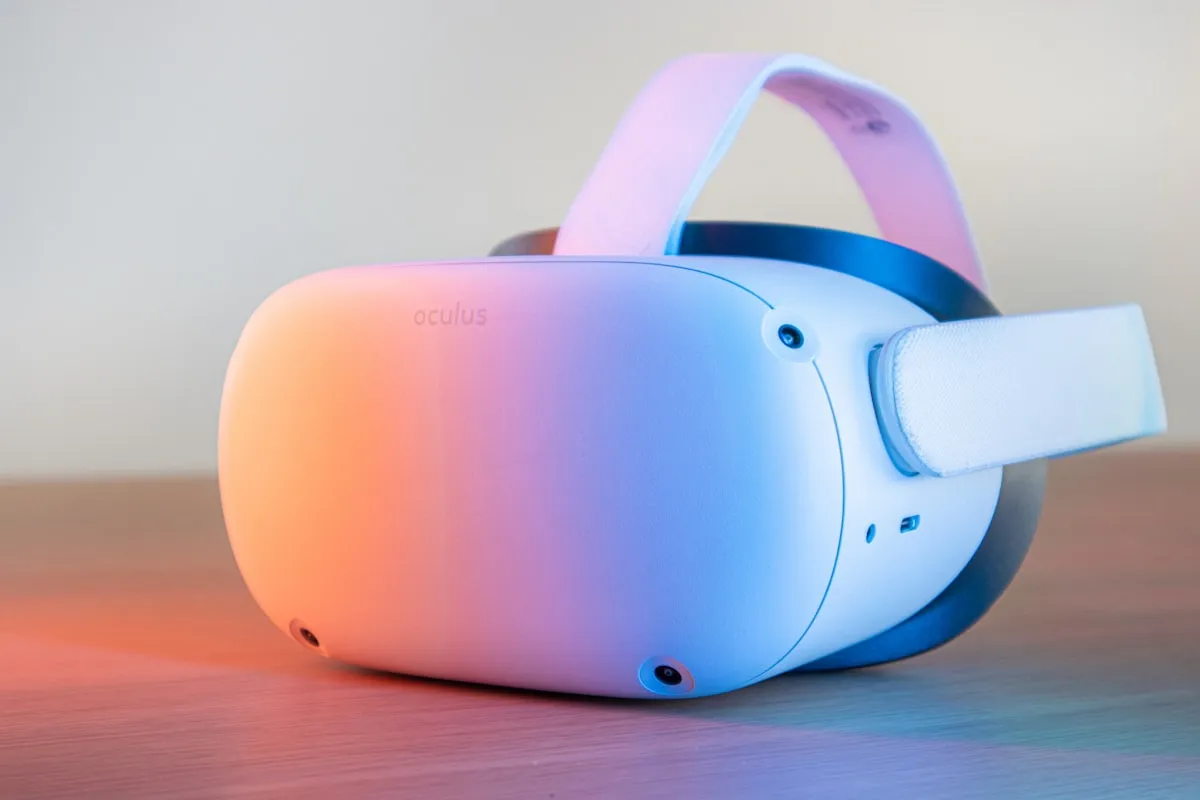
For a long time, Virtual Reality (VR) and Augmented Reality (AR) were solutions looking for a problem. We had the hardware (mostly), but the software ecosystem felt like a collection of tech demos. In 2026, Spatial Computing is finally doing what smartphones did to desktop computers: fundamentally changing how we interact with digital space.
The Hardware Finally Disappeared
The biggest barrier to adoption was form factor. Nobody wants to wear a heavy, hot computer on their face. The current generation of spatial headsets looks and feels like standard prescription glasses, powered by advanced micro-OLED displays and offloaded processing.
Productivity Over Gaming
While gaming remains a strong vertical, the real driver of spatial computing adoption is enterprise productivity.
- Infinite Workspaces: Developers and financial analysts now routinely work with 5 to 10 virtual monitors floating in their physical space.
- Collaborative Design: Architects and industrial designers can overlay 3D CAD models onto physical environments, allowing teams in different countries to walk around and annotate a virtual prototype in real-time.
Contextual AI Overlays
Spatial computing in 2026 isn't just about screens; it's about context. The glasses use outward-facing cameras and agentic AI to understand your environment.
Look at a complicated piece of machinery, and the AR overlay instantly highlights the broken component and displays the repair manual. Walk into a networking event, and subtle AR tags remind you of peoples' names and your last conversation with them.
The New Digital Divide
As spatial computing becomes essential for certain professions, we are seeing a new digital divide emerge. The productivity gains are so massive that those without access to the hardware are at a significant disadvantage in the modern workforce.
Spatial computing is no longer a gimmick; it is the next computing platform.