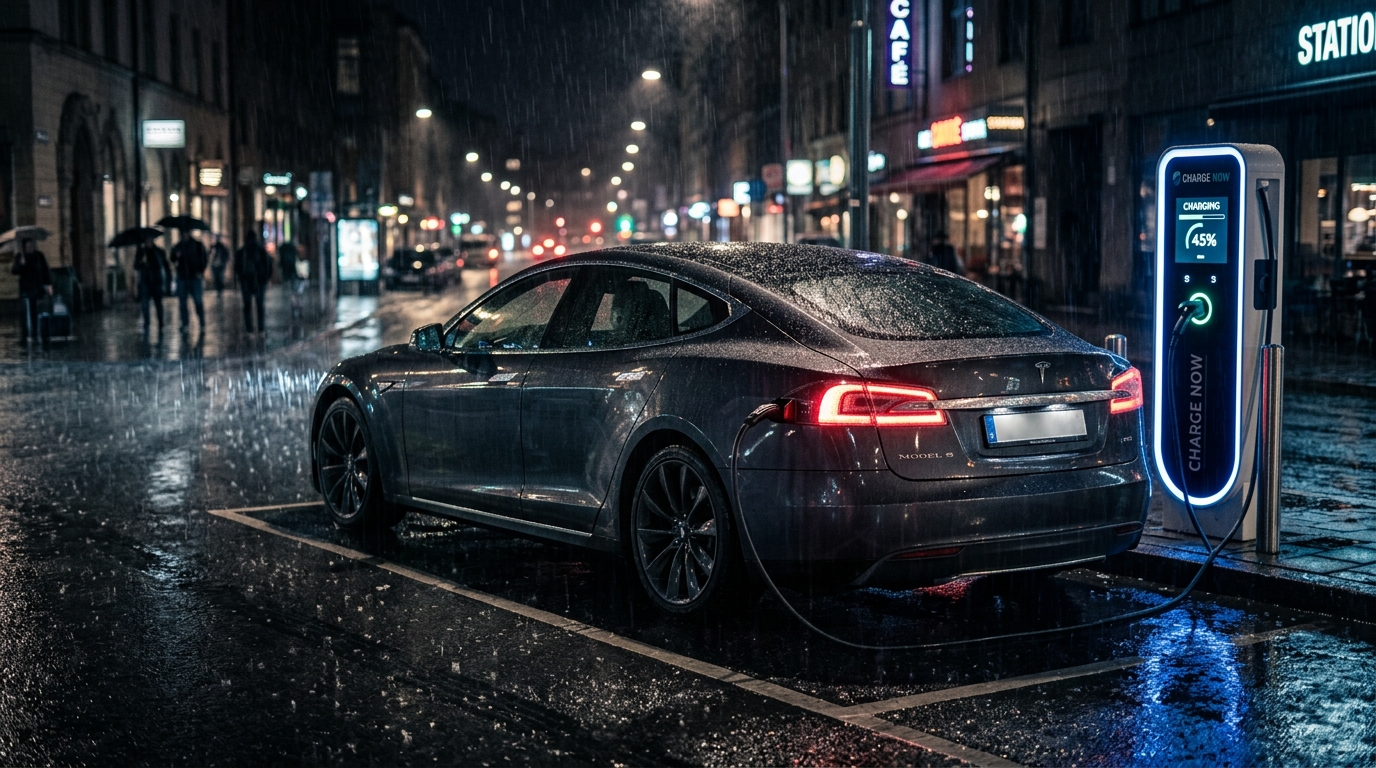
If you browse any used car marketplace today, you will notice a strange anomaly: the platform is absolutely flooded with one- and two-year-old Electric Vehicles (EVs). People who enthusiastically adopted the technology are now quietly trading their electric cars back in for traditional gas-powered vehicles or hybrids.
The EV revolution hasn't failed, but the reality of owning one has finally caught up to the marketing hype. If you are considering making the switch to electric in 2026, here is why so many early adopters are jumping ship.
1. The Public Infrastructure is Still Broken
The biggest selling point of an EV is convenience—assuming you can charge it at home. However, for the millions of people who live in apartments or rely on street parking, public infrastructure is mandatory.
Despite billions of dollars in government subsidies, public charging networks remain shockingly unreliable. Drivers regularly arrive at stations only to find the chargers broken, occupied, or operating at a fraction of their advertised speeds. What used to be a five-minute trip to a gas station has become an hour-long logistical nightmare involving three different smartphone apps and intense range anxiety.
2. Catastrophic Depreciation
Cars have always been depreciating assets, but EVs are currently experiencing a historic plunge in value.
Because battery technology is advancing so rapidly, a three-year-old EV feels obsolete compared to this year's model. Furthermore, traditional dealerships are terrified of taking used EVs as trade-ins because they do not have the equipment or expertise to accurately assess the health of the battery pack. As a result, consumers who paid $50,000 for a new EV are finding out it is only worth $20,000 just 24 months later.
3. The Uninsurable Reality of Minor Accidents
EVs are heavy, incredibly fast, and packed full of sensors. While this makes them fun to drive, it makes them a nightmare to repair.
If a traditional car gets in a minor fender bender, a body shop replaces the bumper. If an EV gets in a minor fender bender, there is a very high probability that the impact compromised the structural integrity of the battery pack that lines the floorboard. Because manufacturers will not risk a battery fire, even minor physical damage often results in the insurance company totaling the entire vehicle. Consequently, EV insurance premiums have skyrocketed, effectively wiping out any money saved on gas.
Electric vehicles are undeniably the future of transportation. But for the average consumer right now, a reliable plug-in hybrid remains the smartest financial decision.