Every September, major technology companies step onto a brightly lit stage to unveil their latest smartphone lineup. The presentation always follows the same predictable rhythm: they quickly breeze past the standard model before spending an hour hyping up the wildly expensive "Pro" or "Ultra" version.
As a result, millions of consumers blindly hand over $1,200 or more for a device they don't actually need. Unless you are actively shooting a feature film or rendering 3D graphics on your commute, you should never buy the Pro version of any smartphone. Here is why the marketing is misleading you.
The Camera Upgrades Are Irrelevant for Social Media
The primary selling point for any Pro smartphone is the camera array. The manufacturer will boast about a massive megapixel count, advanced optical zoom, and professional-grade color grading capabilities.
What they don't mention is the bottleneck of social media compression. If your primary goal is to post photos to Instagram, send videos to your family group chat, or record TikToks, those massive image files get instantly crushed by the platform's compression algorithms. The stunning, high-fidelity photo taken on a $1,300 Pro phone ends up looking functionally identical to a photo taken on an $800 standard model once it is uploaded. You are paying a premium for data that nobody else can see.
You Are Paying for "Status" Materials
Another major justification for the Pro price tag is the build quality. Apple and Samsung love to market their Pro devices as being forged from aerospace-grade titanium or custom ceramic glass.
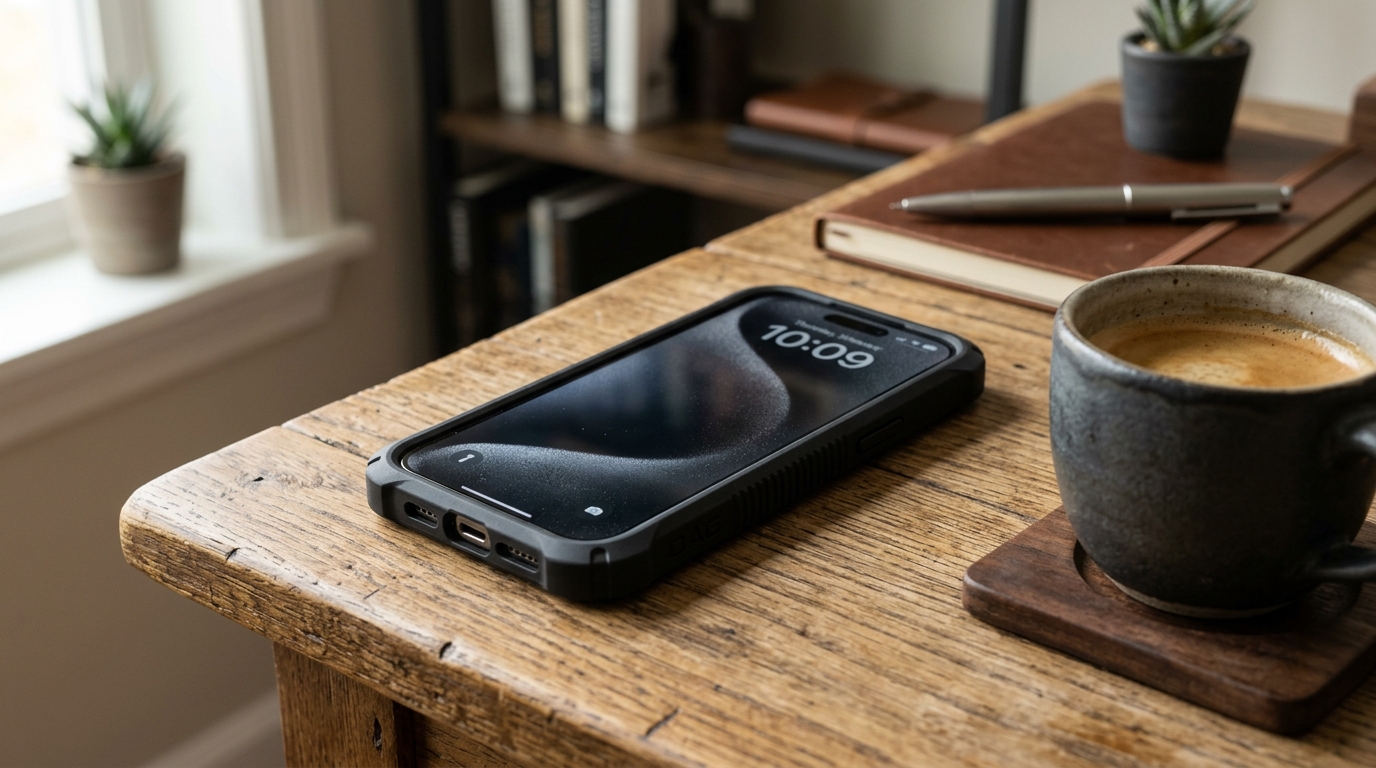
While that sounds impressive on a spec sheet, it is entirely pointless in the real world. The absolute first thing 99% of consumers do after unboxing a new smartphone is wrap it in a thick plastic or rubber case. It does not matter if the chassis is made of titanium or recycled aluminum if you are never actually going to touch or see the raw metal again. You are paying an extra $300 for a luxury finish that you immediately hide.
The Standard Models Are Too Good Now
Ten years ago, the "base" model of a smartphone was often genuinely terrible. It had a sluggish processor, a dim screen, and a battery that died by lunchtime.
In 2026, the baseline technology has plateaued in the best way possible. The standard iPhone or Samsung Galaxy currently features an incredible OLED display, a processor that easily handles heavy multitasking, and a battery that lasts all day. The gap between "standard" and "pro" has never been smaller.
Stop falling for the marketing up-sell. Save your money, buy the standard model, and invest the $400 difference into something that actually improves your life.