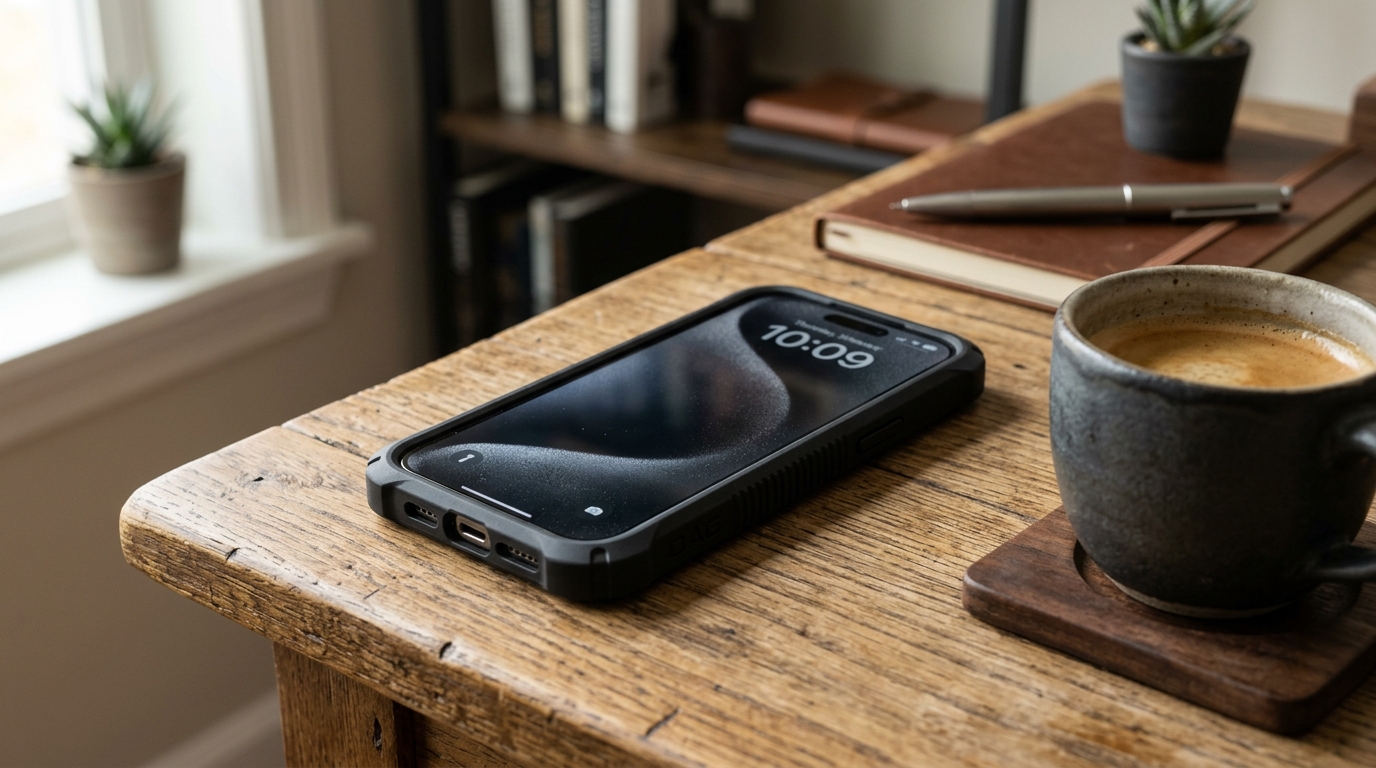
The smartphone isn't dead, but its absolute dominance is finally cracking. As AI becomes more agentic and spatial computing matures, the hardware we carry is evolving from passive glass screens into proactive ambient assistants. Here is what is defining consumer hardware as we head into 2027.
The Death of the App Grid
The biggest shift in consumer devices isn't the hardware itself; it's the interface. We are moving away from grids of apps toward intent-driven AI interfaces.
Devices like next-generation AI pins and smart rings don't have screens. You simply speak to them, and the on-device AI agent handles the routing. You don't open a ride-sharing app; you just say "I need to go home," and the device negotiates the price, books the car, and buzzes your wrist when it arrives.
Ambient Health Tracking
Smartwatches have evolved from fitness trackers into clinical-grade health monitors.
- Non-Invasive Blood Glucose: After years of rumors, reliable optical sensors can now track blood sugar levels without breaking the skin, changing the lives of millions of diabetics.
- Continuous Hydration and Stress Monitoring: Devices now analyze sweat composition in real-time to alert users to dehydration or spikes in cortisol.
Foldables Become the Standard
The hinge technology has finally been perfected. The crease is gone, the screens don't break in cold weather, and the prices have dropped.
The traditional "slab" phone is increasingly seen as a budget option, while the premium market is entirely dominated by devices that can expand from a pocketable square into a full-sized tablet.
Conclusion
Consumer hardware in 2027 is focused on disappearing into the background. The goal is no longer to keep you staring at a screen for 8 hours a day, but to seamlessly integrate digital utility into your physical environment.