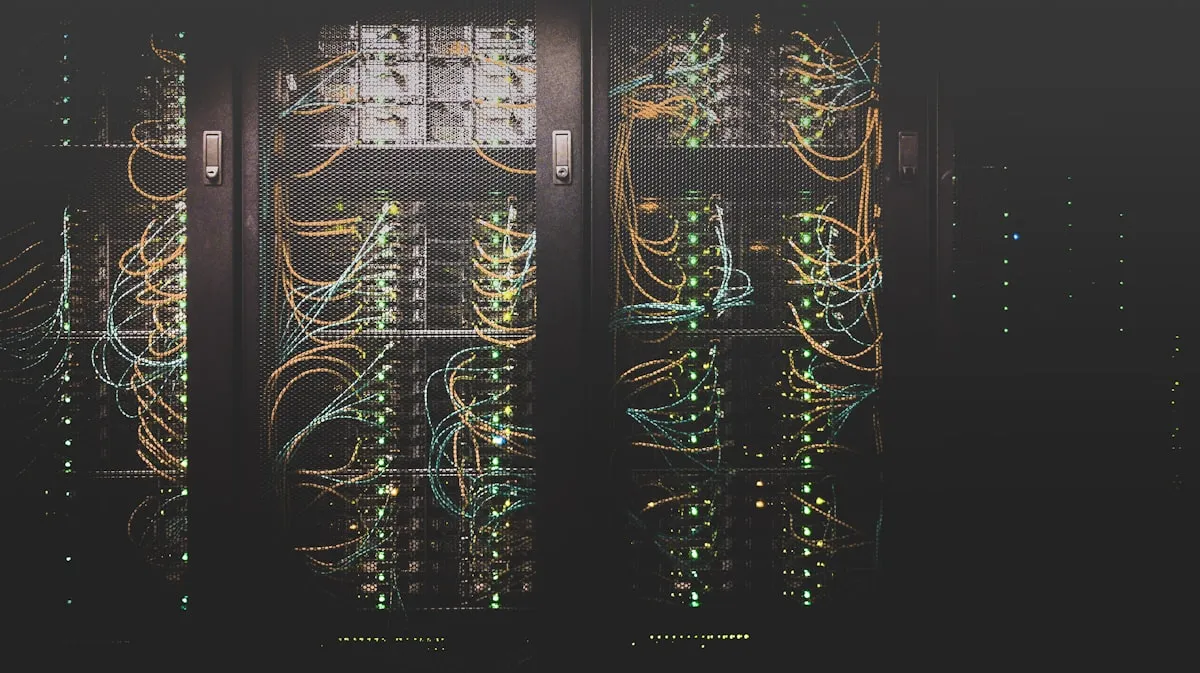
For the past decade, cloud computing has dominated enterprise IT. Hyperscale data centers, managed by giants like Amazon, Microsoft, and Google, have handled immense workloads, offering scalability and reduced on-premise expenses. Yet, in 2026, decentralization is increasingly prioritized. The focus in boardrooms and engineering discussions has shifted from solely cloud migration to the growing interplay between Edge Computing and Cloud.
The cloud remains crucial, but edge computing now attracts substantial new IT investment. This shift is driven by the explosive growth of data and the critical demand for ultra-low latency in modern applications.
The Cloud Bottleneck
Cloud computing's fundamental model involves sending data from a device to a central server for processing, then returning the result. This approach was effective for web browsing, email, and video streaming for many years. However, the technological environment of 2026 presents different demands.
Millions of IoT devices, autonomous vehicles, smart factory sensors, and augmented reality headsets now generate unprecedented volumes of data every second. Transmitting all this raw data to a distant centralized cloud server creates two significant challenges:
- Latency: Even advanced networks like 5G and fiber optics cannot eliminate round-trip delays to the cloud, which are too slow for mission-critical applications. An autonomous vehicle, for instance, cannot afford a 100-millisecond delay for a cloud server's braking command.
- Bandwidth Costs: Moving petabytes of raw, unfiltered data across networks is both expensive and inefficient.
Edge Computing Defined
Edge computing addresses these issues by relocating processing power from centralized data centers closer to the data source—to the "edge" of the network. This proximity might involve a micro-server on a factory floor, a smart gateway in a retail store, or the processing chip within a drone.
Local data processing enables real-time results. Consequently, only essential, processed insights—not raw data—are transmitted back to the central cloud for long-term storage or high-level analytics.
The Impact of Edge AI in 2026
A primary driver for edge computing's growth in 2026 is Edge AI. Artificial intelligence models have undergone significant optimization, eliminating the need for extensive server infrastructure to perform complex inferences. Potent, energy-efficient AI chips are now integrated directly into endpoint devices.
For example, a security camera can employ local AI to detect a breach and trigger an alarm instantaneously, without streaming continuous video to the cloud. Retailers leverage edge AI to monitor shelf inventory in real-time, optimizing supply chains with minimal latency.
Edge and Cloud: A Symbiotic Relationship
While edge computing has grown significantly, portraying it as a strict "Edge vs. Cloud" competition is inaccurate. The technological landscape of 2026 features a highly symbiotic, distributed architecture. Rather than competing, these two paradigms specialize in different functions.
Cloud Strengths:
- Heavy Computation and Training: Training large language models (LLMs) still demands the immense, concentrated computing power exclusive to cloud data centers.
- Big Data Analytics: Analyzing extensive historical data across global enterprises is most efficiently managed within a centralized cloud data warehouse.
- Archival Storage: The cloud remains the most cost-effective and secure solution for long-term data retention.
Edge Strengths:
- Real-Time Inference: Facilitating instantaneous decisions in applications like autonomous driving, robotics, and industrial safety.
- Privacy and Compliance: Processing sensitive data, such as healthcare or financial information, locally ensures it remains within the facility, addressing complex regulatory requirements.
- Disconnected Environments: Enabling operations in remote locations—like offshore oil rigs, deep mines, or agricultural fields—where reliable cloud connectivity is often absent.
Building a Hybrid Future
The optimal strategy for businesses in 2026 involves a hybrid, distributed approach. Organizations are implementing "Cloud-to-Edge" continuum architectures, where intensive training and global orchestration occur in the cloud, while rapid, responsive execution takes place at the edge.
Managing this distributed infrastructure, however, demands specialized expertise. Securely deploying updates to thousands of edge nodes, maintaining localized hardware, and ensuring seamless integration with existing cloud systems presents significant complexity. For businesses aiming to modernize their infrastructure and achieve the right balance between edge and cloud deployments, expert IT consulting is essential. Explore modern tech infrastructure services and hardware solutions at store.brandez.online to prepare your business for this distributed future.
The Distributed Future
In 2026, the centralized cloud is no longer the sole solution for every computing challenge. Edge computing has evolved from a niche IoT concept into a fundamental component of modern IT architecture. As Edge AI advances, the distinction between device and data center will continue to diminish, ushering in a new era where computing power is ubiquitous, immediate, and integrated into the physical environment.