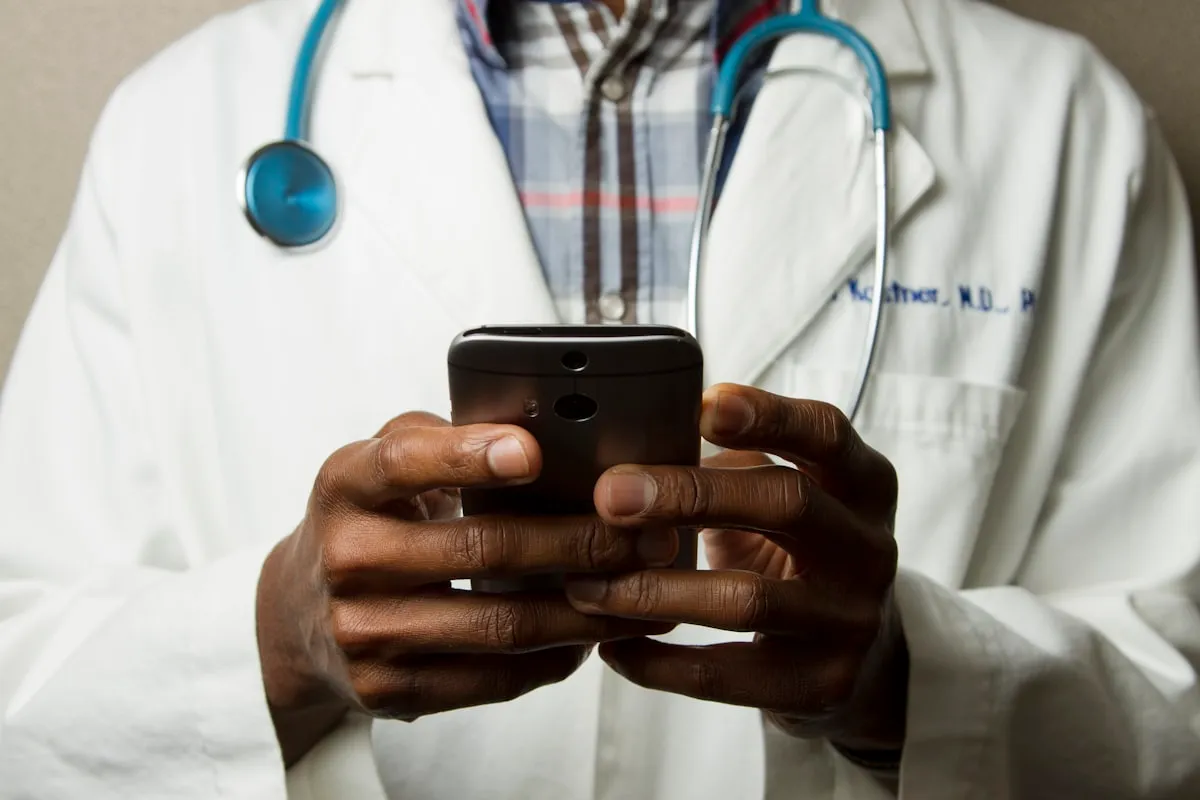
Healthcare has long been an industry abundant in data but short on actionable information. Clinicians are frequently overwhelmed by the sheer volume of patient histories, lab results, and imaging scans. Specialized Medical AI, emerging by 2026, represents systems trained on vast datasets of medical information, enabling them to identify patterns imperceptible to human observation.
Radiology and Pathology
Medical imaging became one of the first areas to integrate AI in diagnostics, and it is now a standard component of practice. Today, an AI model instantly analyzes MRI or CT scans before a radiologist even opens the file.
The AI identifies areas of concern, quantifies tumor growth, and cross-references the scan against millions of similar cases. This integration has not replaced radiologists; instead, it has enhanced their efficiency and diagnostic accuracy significantly, contributing to the elimination of missed early-stage cancers.
Predictive Diagnostics
The shift from reactive to proactive medicine is underway. Wearable devices continuously monitor metrics such as heart rate variability, blood glucose, and sleep patterns, feeding this stream of data into personalized AI health agents.
- Early Warning Systems: These agents can predict cardiovascular events weeks in advance by identifying subtle micro-changes in biometric data.
- Personalized Treatment Plans: Moving beyond a one-size-fits-all model, AI analyzes a patient's genetic profile in conjunction with real-time biometric data to recommend highly specific drug dosages.
The Ethics and Data Privacy Challenge
The integration of AI in healthcare presents significant challenges, with data privacy remaining a primary concern. The question arises: how can massive AI models be trained without exposing protected health information (PHI)?
Federated learning has emerged as a key solution. Rather than transferring patient data to a central server, the AI model is deployed to individual healthcare facilities. The model learns from local data and only transmits aggregated insights or model updates back to the central hub, never the raw data itself.
AI will not replace clinicians, but clinicians who leverage AI will undoubtedly reshape the practice of medicine. This marks the dawn of an era defined by unprecedented medical precision.