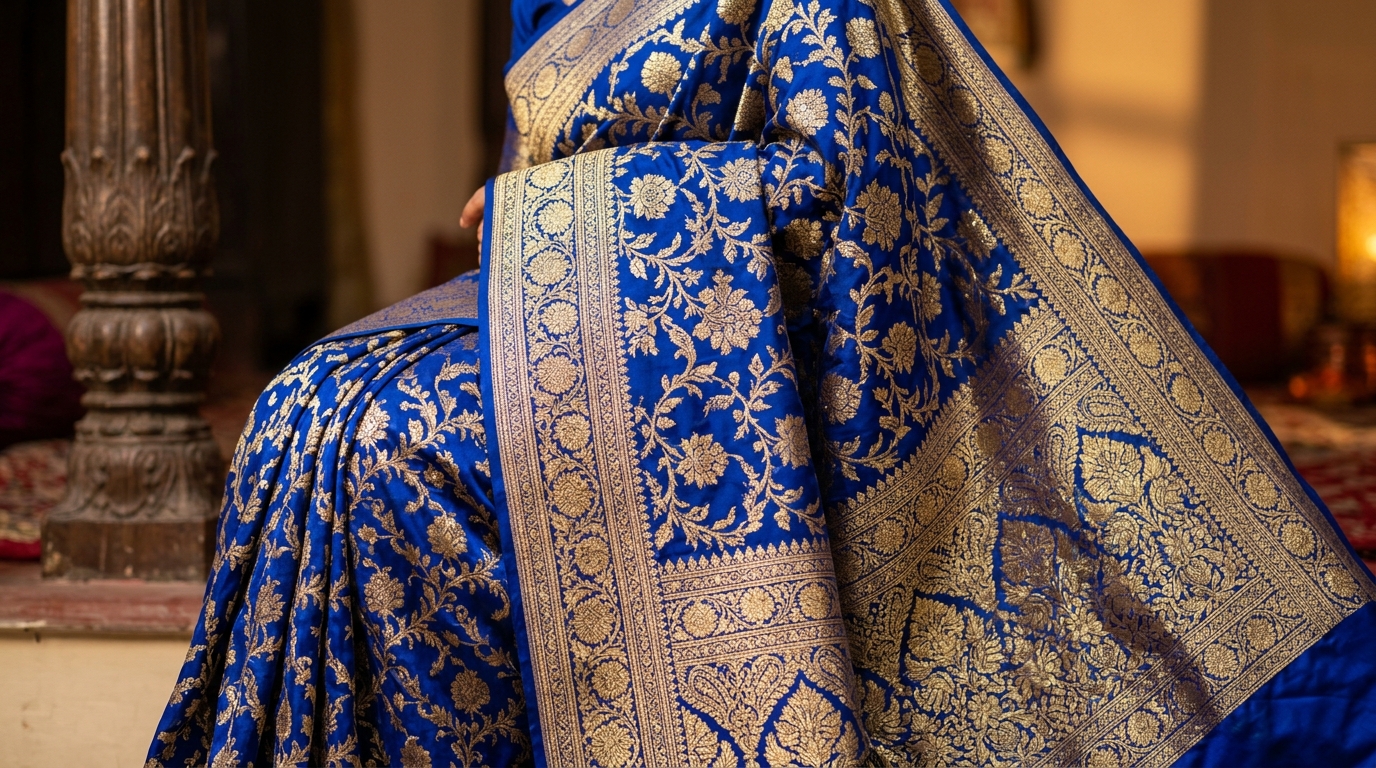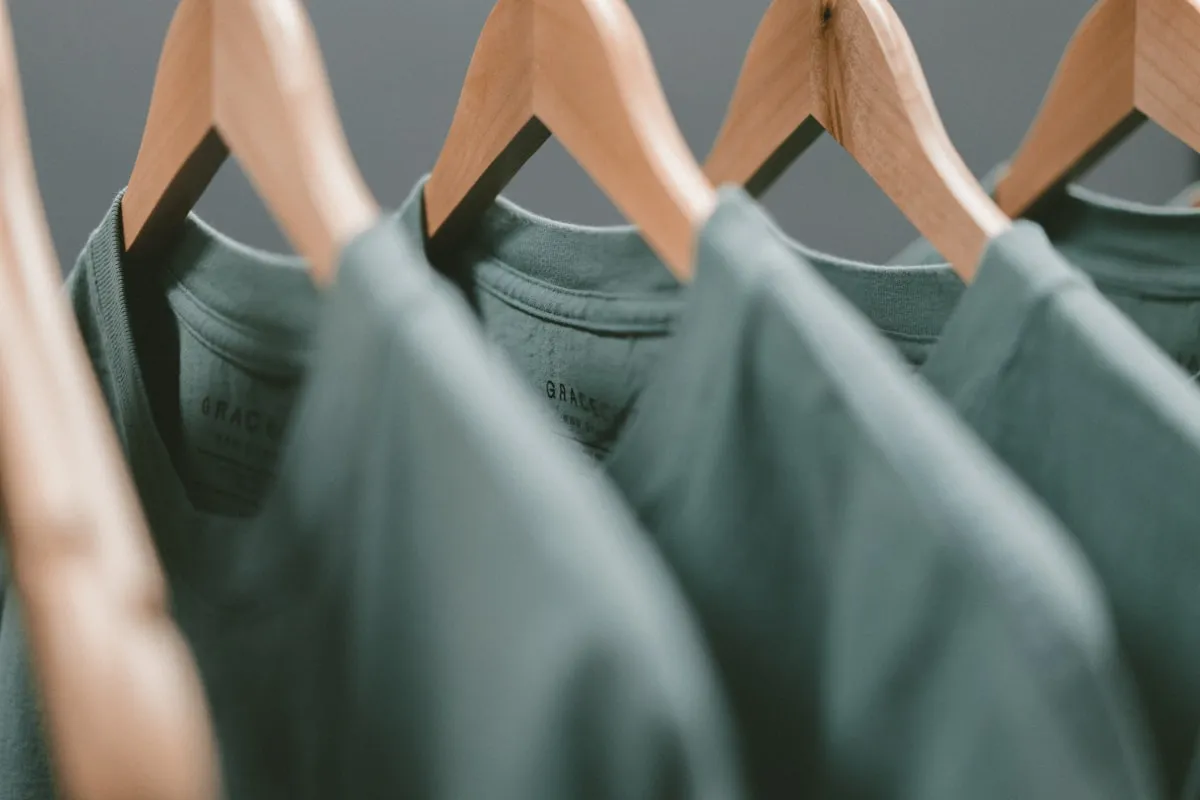
For years, the Indian apparel market prioritized quantity over quality, dominated by fast-fashion conglomerates producing inexpensive, synthetic garments meant for fleeting use. By 2026, however, a significant transformation is evident. Indian consumers are increasingly rejecting disposable trends, instead embracing the rich, sustainable tradition of handloom and conscious fashion.
Sustainable fashion in India is no longer a niche concept for high-end boutiques; it has become a mainstream demand. This shift is driven by several factors, with handloom textiles at the forefront of a greener, more ethical industry.
The True Cost of Fast Fashion
This transformation stems from a heightened awareness of fast fashion's environmental and social impact. Consumers in 2026 are well-informed about critical issues: significant water pollution from synthetic dyes, accumulating non-biodegradable polyester waste in landfills, and the frequently exploitative labor practices prevalent in mass-production garment factories.
Fueled by social media campaigns and a more environmentally conscious Gen Z and Millennial demographic, this awareness has generated a strong demand for transparency. Consumers now seek information regarding garment origins, material composition, and environmental impact.
The Handloom Renaissance
India possesses a unique advantage in sustainable fashion: the world's largest and most diverse handloom industry. For centuries, Indian weavers have crafted fabrics using natural fibers and eco-friendly techniques. This heritage is now celebrated as a premier example of sustainable luxury.
1. Zero Carbon Footprint Weaving
In contrast to large power-loom factories that consume significant electricity and emit greenhouse gases, the traditional Indian handloom operates as a zero-energy system. Relying solely on human skill and kinetic energy, the process of weaving a handloom saree or fabric leaves virtually no carbon footprint.
2. Natural Dyes and Organic Fibers
Sustainable brands are increasingly adopting natural, plant-based dyes—such as indigo, madder root, turmeric, and pomegranate—over toxic chemical alternatives. Concurrently, indigenous, low-water-consuming fibers like Kala cotton, organic linen, and Ahimsa silk (peace silk, produced without harming the silkworm) are experiencing a significant revival.
3. Supporting Artisan Communities
The embrace of handloom also represents a vital socio-economic movement. Consumers who purchase authentic handloom garments directly support skilled rural artisans, bypassing exploitative factory systems. This economic empowerment preserves ancient weaving techniques—from Ikat and Chanderi to Jamdani and Kanjeevaram—that were previously endangered.
The "Slow Fashion" Wardrobe
The philosophy of sustainable fashion in 2026 centers on "Slow Fashion": buying less, but buying better.
Consumers are moving away from seasonal, inexpensive purchases, instead investing in versatile, high-quality pieces that endure beyond fleeting trends. The Indian saree epitomizes this philosophy. A beautifully woven cotton or silk saree is a size-independent garment that remains timeless. It can be draped in numerous ways, worn across generations, and eventually upcycled or naturally biodegraded.
How to Be a Conscious Consumer in 2026
To build a more sustainable wardrobe, consider these practical steps:
- Read Labels: Check the fabric composition. Avoid polyester, nylon, and acrylics. Opt for pure cotton, linen, silk, wool, or sustainable regenerated fibers like Lyocell.
- Ask Questions: Demand transparency from the brands you buy from. If they cannot disclose where and how their clothes are made, reconsider the purchase.
- Invest in Classics: Build a capsule wardrobe of timeless ethnic and western pieces that can be mixed and matched.
Embracing sustainable fashion means making mindful choices that honor both our environment and our cultural heritage. For those seeking to embrace slow fashion with ethically sourced handloom sarees, explore the curated collection at vamika.brandez.online. It celebrates the artistry of Indian weavers, offering timeless, size-independent elegance that aligns with conscious values.
The emergence of sustainable and handloom fashion in India by 2026 represents more than a trend; it is a fundamental course correction. Choosing conscious fashion is an investment in a future that respects the planet, empowers artisans, and upholds the enduring beauty of Indian textiles.