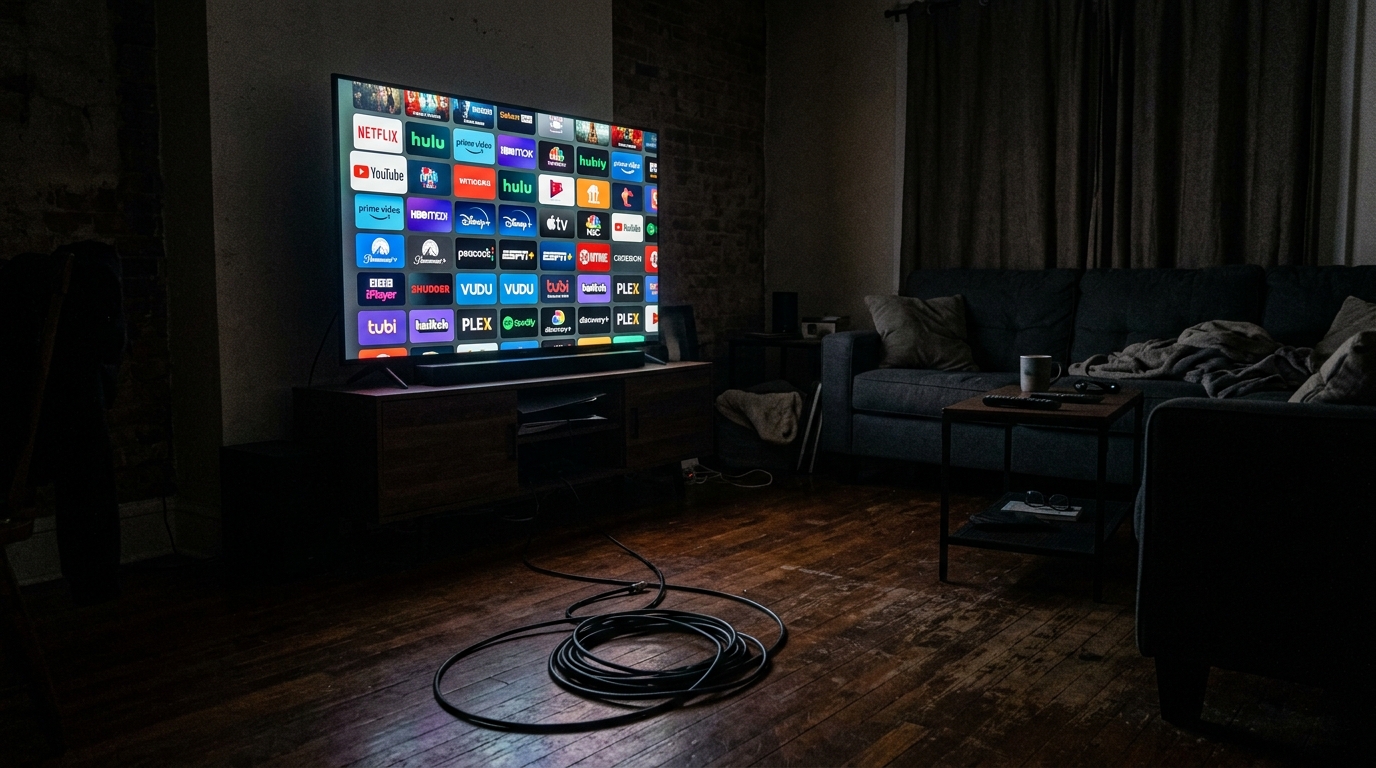
By 2026, digital entertainment accounts for a substantial portion of the typical Indian household's monthly budget. The Indian Over-The-Top (OTT) streaming market has moved far beyond its nascent stage, evolving into a mature and fiercely competitive arena. With over 500 million active internet users consuming video content, platforms are intensely vying for viewer attention and subscription revenue.
The landscape has shifted dramatically since the early 2020s, marked by consolidations, overhauled pricing models, and an evolving definition of "premium content." In 2026, the Indian streaming market is largely dominated by four major players: JioCinema, Netflix, Amazon Prime Video, and Disney+ Hotstar. This analysis details the current position of each platform in this competitive environment.
1. JioCinema: The Disruptor Transformed
Just a few years ago, JioCinema was a supplementary app bundled with telecom plans. Today, it stands as arguably the most powerful entity in Indian streaming. The pivotal moment was its aggressive acquisition of live sports rights, particularly the IPL, which it famously streamed for free, fundamentally altering the industry's revenue models.
By 2026, JioCinema has evolved from a purely ad-supported giant into a significant premium content aggregator. Its strategic partnerships with global leaders such as HBO, NBCUniversal, and Paramount have established JioCinema Premium as a primary source for elite international programming. Furthermore, substantial investment in high-budget, regional Indian web series demonstrates a commitment beyond cricket and Hollywood.
The Verdict: JioCinema currently dominates live sports and content volume, utilizing Reliance's significant capital to surpass competitors.
2. Netflix: The Premium Niche
Netflix's initial years in India were marked by challenges in establishing an appropriate price point for a highly price-sensitive market. Following structural adjustments and the introduction of mobile-only plans, Netflix has, by 2026, solidified its identity as the leading provider of premium, conversation-driving content.
Recognizing its inability to compete with JioCinema or Hotstar on live sports, Netflix focused on its core strengths: high-quality original films, critically acclaimed documentaries, and global hits like Korean dramas and anime. Netflix India's strategy shifted from broad quantity to localized quality. Its recent releases of Indian originals, particularly gritty thrillers and slick urban dramas, consistently achieve top global viewing figures.
The Verdict: Netflix no longer aims to be a universal platform in India. Instead, it successfully targets and dominates the premium, high-ARPU (Average Revenue Per User) urban demographic.
3. Amazon Prime Video: The Indispensable Add-on
Amazon Prime Video's primary strength in 2026 remains its integrated ecosystem. For millions of Indian consumers, Prime Video feels "free" due to its inclusion with Amazon Prime subscriptions, which are primarily sought for expedited shipping and shopping benefits. This integration fosters exceptional subscriber retention.
In terms of content, Amazon has successfully catered to the "Middle India" demographic. It boasts the strongest library of post-theatrical regional film releases, particularly in Telugu, Tamil, and Malayalam. Flagship original series, such as The Family Man and Mirzapur franchises, have achieved cultural icon status. Furthermore, Prime Video's "Channels" feature, enabling users to subscribe to niche OTT platforms (e.g., Mubi, Lionsgate Play, regional apps) via a single interface, has solidified its position as a powerful aggregator.
The Verdict: Prime Video stands as the most stable contender, providing a compelling value proposition linked to its e-commerce services, complemented by an extensive regional cinema library.
4. Disney+ Hotstar: The Transition Phase
Disney+ Hotstar has navigated a turbulent period in recent years. The loss of IPL digital rights significantly impacted its subscriber base, necessitating a difficult strategic pivot. However, by 2026, the platform has successfully redefined its market position.
It continues to capitalize on its vast back catalog of Star India television content, which maintains strong popularity in Tier 2 and Tier 3 cities. Its exclusive access to the Marvel Cinematic Universe, Star Wars, and classic Disney animation establishes it as the primary "family-friendly" platform. Hotstar has also prioritized acquiring digital rights for major blockbuster films shortly after their theatrical release, making it a strong competitor in the post-theatrical window.
The Verdict: While no longer holding the undisputed market leadership it enjoyed during its peak with IPL, Hotstar remains an essential platform for families and enthusiasts of traditional television drama.
Navigating the Fragmented Market
The primary challenge for consumers in this competitive streaming landscape is financial. Accessing top sports, international series, and regional films often necessitates subscriptions to all four major platforms, alongside several niche applications, resulting in significant subscription fatigue.
Monitoring content availability across various platforms has become notably complex. For those overwhelmed by the fragmented streaming landscape, a smart aggregator is essential. Visit onemovie.brandez.online, our platform designed to help you discover new content, track its availability across all major Indian streaming services, and pinpoint exactly where to watch your next preferred film.
The Evolving Landscape
The Indian streaming market in 2026 shows no single victor; instead, platforms have largely established distinct niches. JioCinema leads in live sports and content volume, Netflix excels in premium global and urban programming, Amazon Prime grounds its offering in regional cinema and its e-commerce ecosystem, and Hotstar delivers unparalleled family and traditional television content. While this competitive dynamic will persist, for the Indian viewer, an era of abundant digital content has clearly begun.